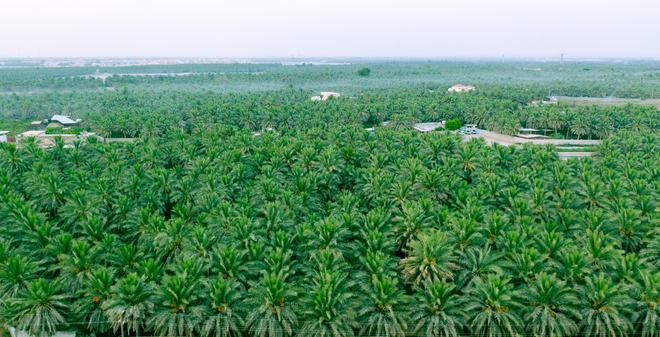
Largest Palm Oasis in the World
More than two million date palms fed by natural springs — a UNESCO World Heritage Site and the living engine behind Al Ahsa's cuisine, trade, and heritage.
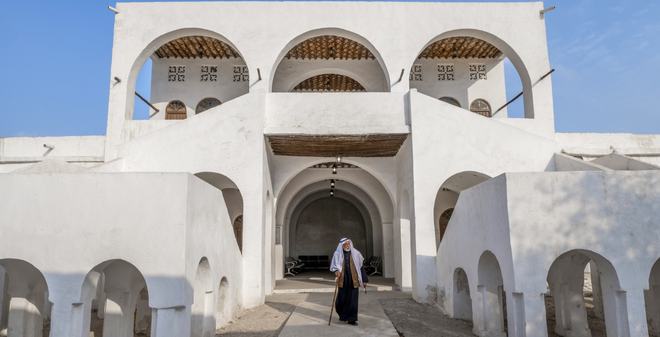
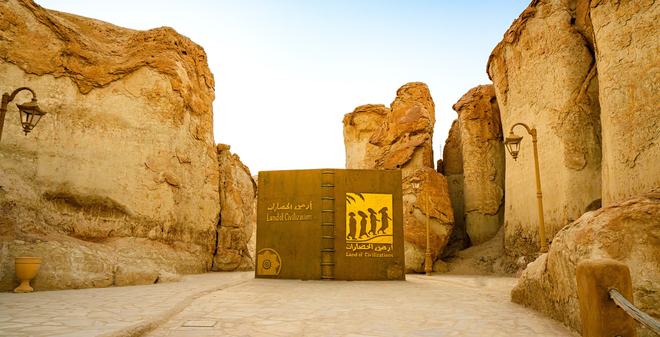
Between date palms and heritage courtyards, Al Ahsa keeps the oldest rhythm of Arabian life.
More than two million date palms fed by natural springs — a UNESCO World Heritage Site and the living engine behind Al Ahsa's cuisine, trade, and heritage.
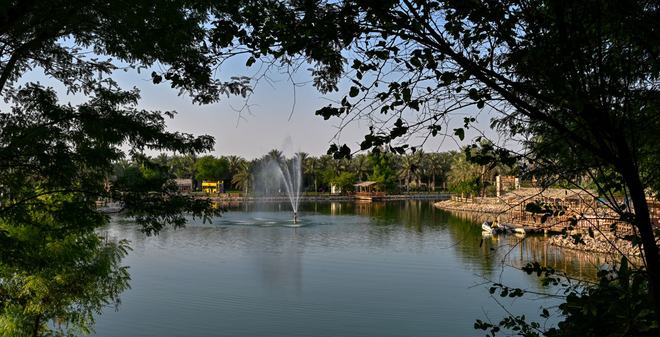
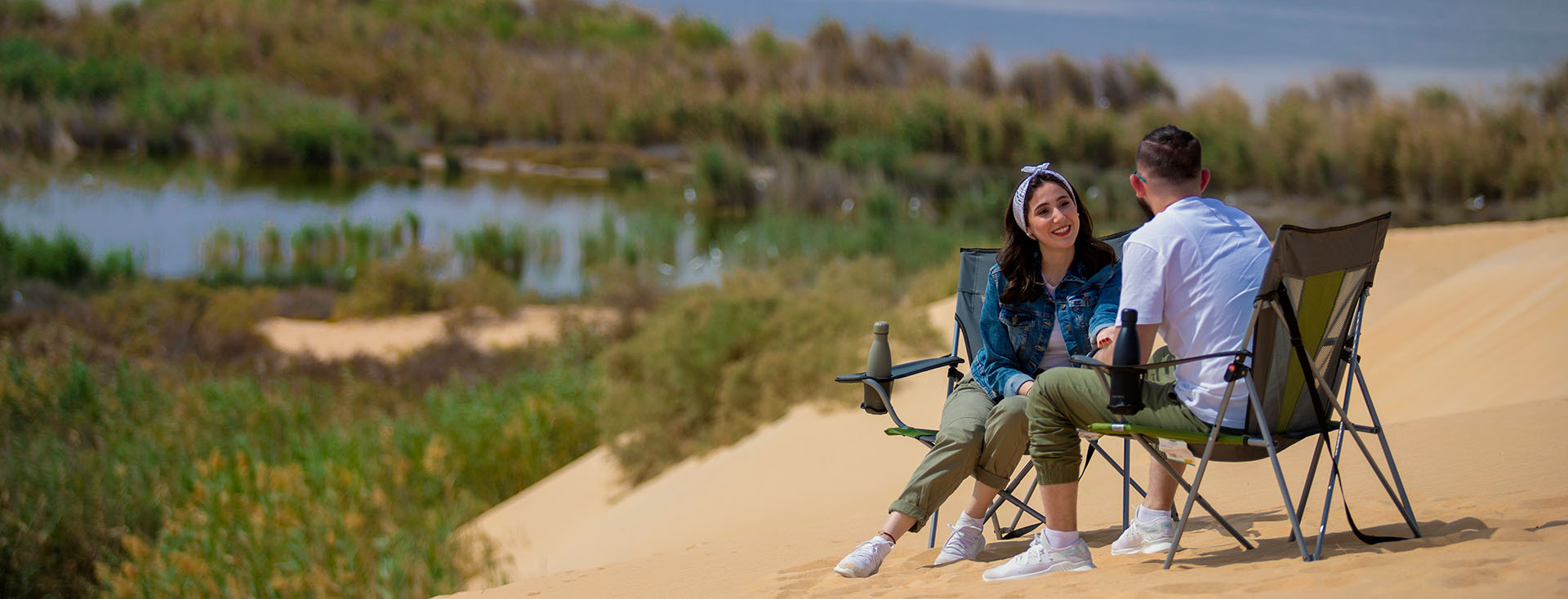
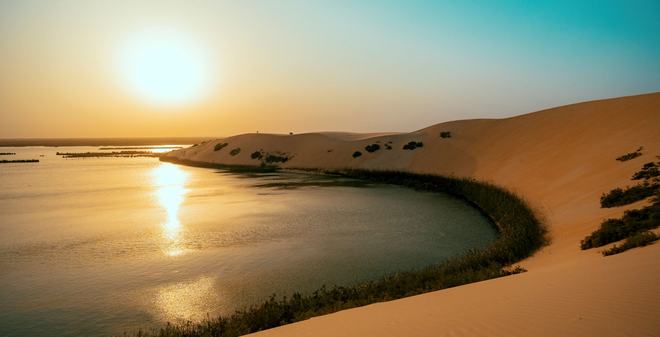
The "Yellow Lake" — one of the largest wetlands in the Gulf, ringed by reeds and dunes and known for the amber tint its waters take on in the right light.
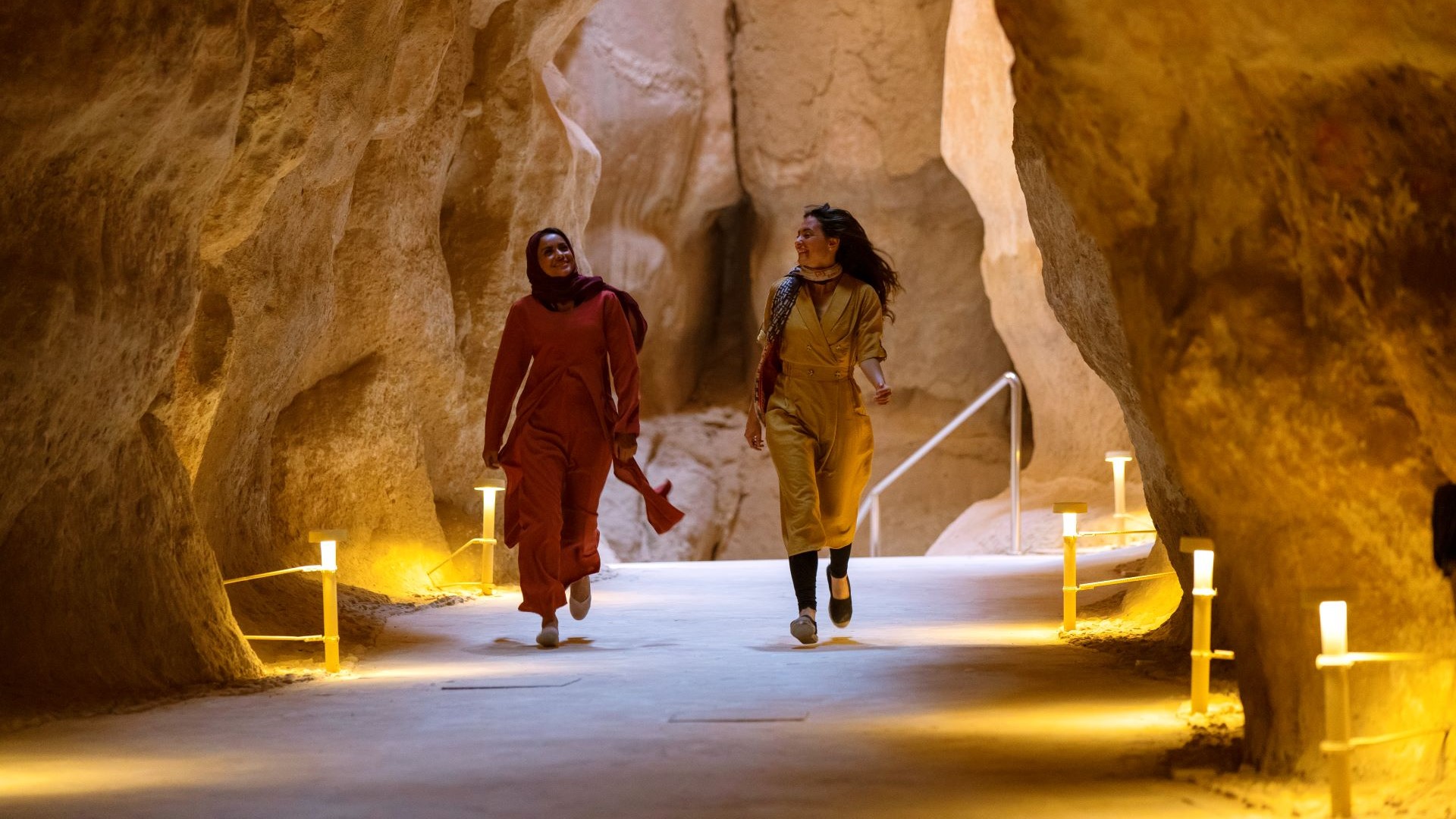
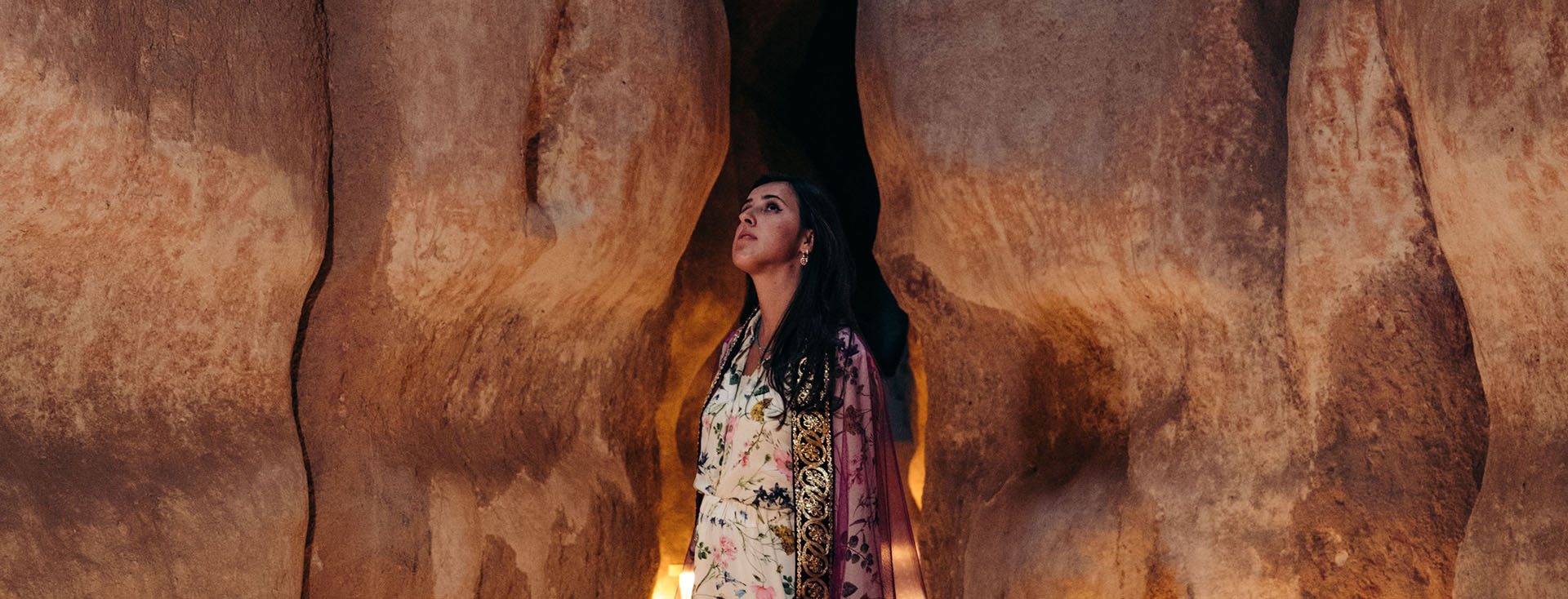
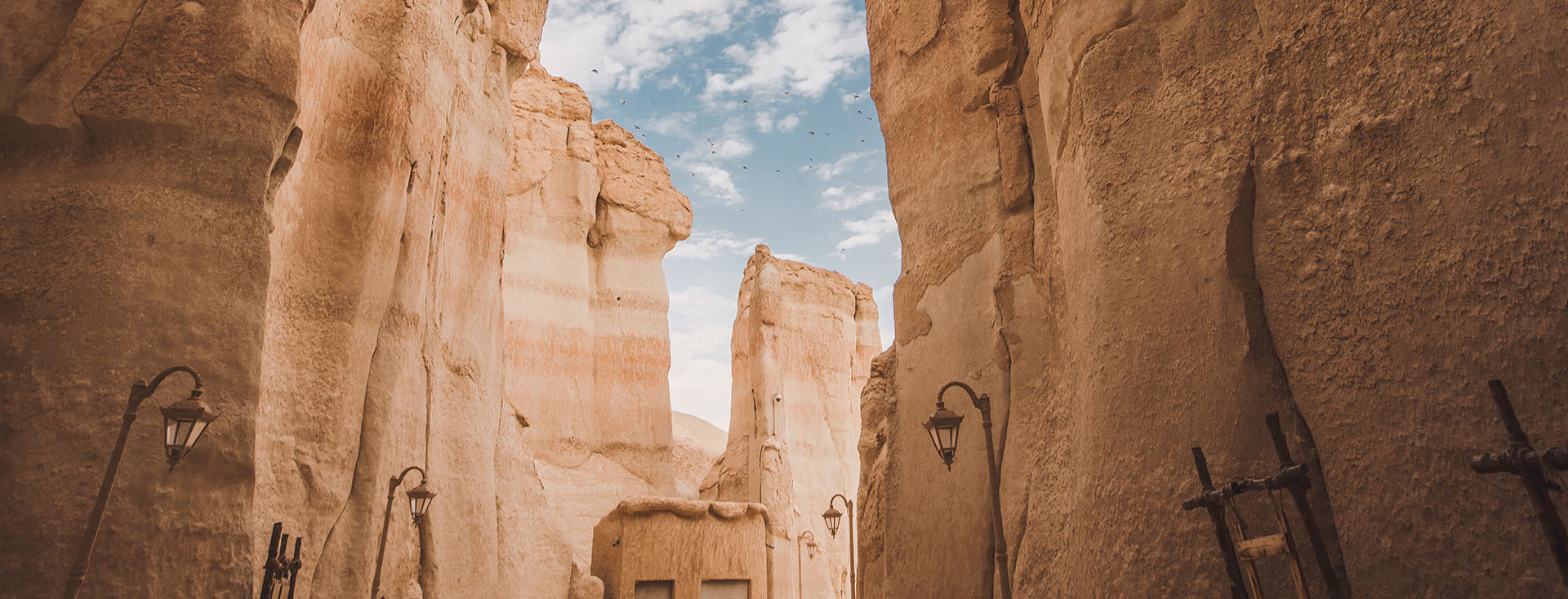
A limestone outcrop riddled with cool, narrow caves. The corridors stay below 30°C even at midsummer — the oasis's natural air-conditioning.
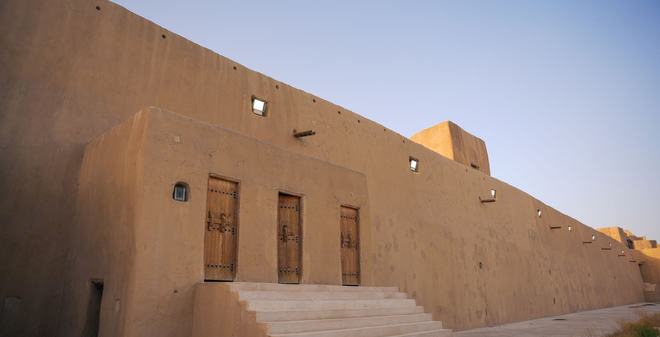
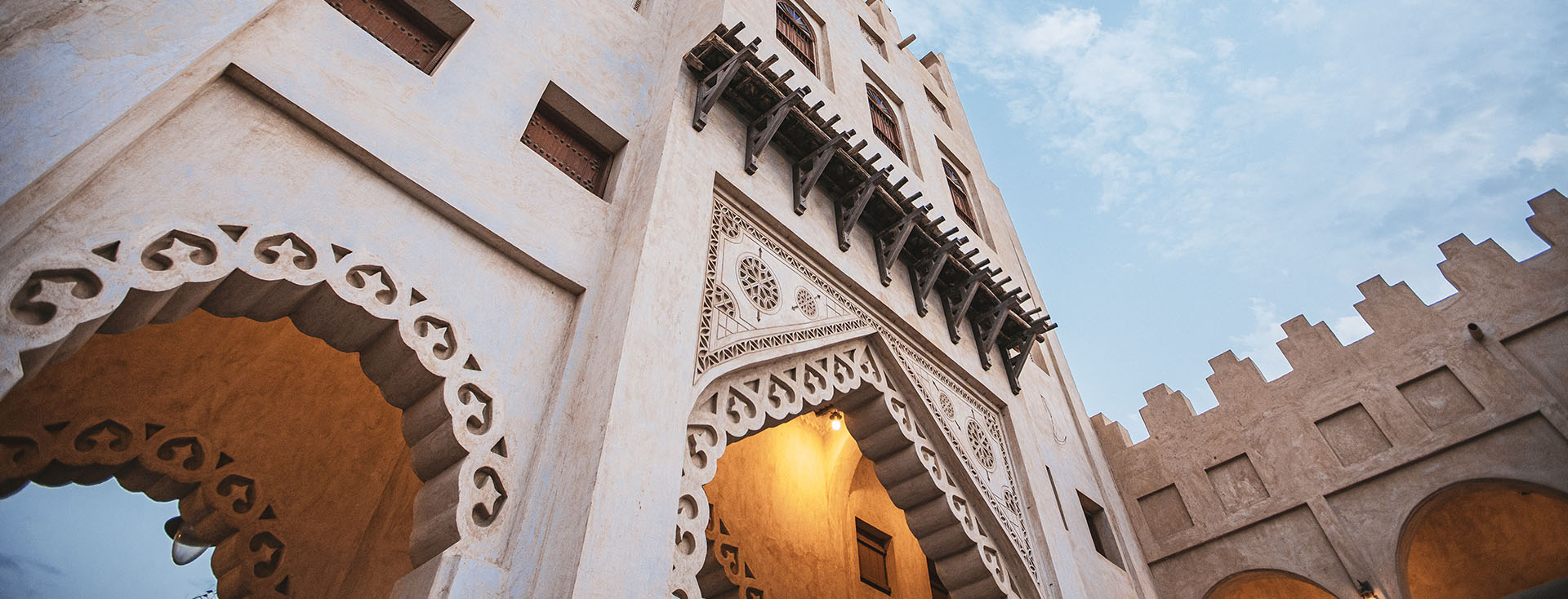
An Ottoman-era fort inside the old city of Hofuf, rebuilt in the 16th century over an older Islamic-era base. The mosque, bath-house, and watchtowers are all intact.
The site of the first mosque built in eastern Arabia — late 7th century — sitting in open farmland outside Hofuf. The surviving mud-brick walls are a quiet, rarely crowded stop.
A late-19th-century mud-and-stone palace in Mubarraz, built as the seat of regional governance. The restored interior keeps the original diwan, inscribed beams, and inner courtyard.
Pick one of the registered oasis trails out of Hofuf, walk under the palm canopy at mid-morning, and finish at a farmstead that still sells fresh Khalas dates by the box.
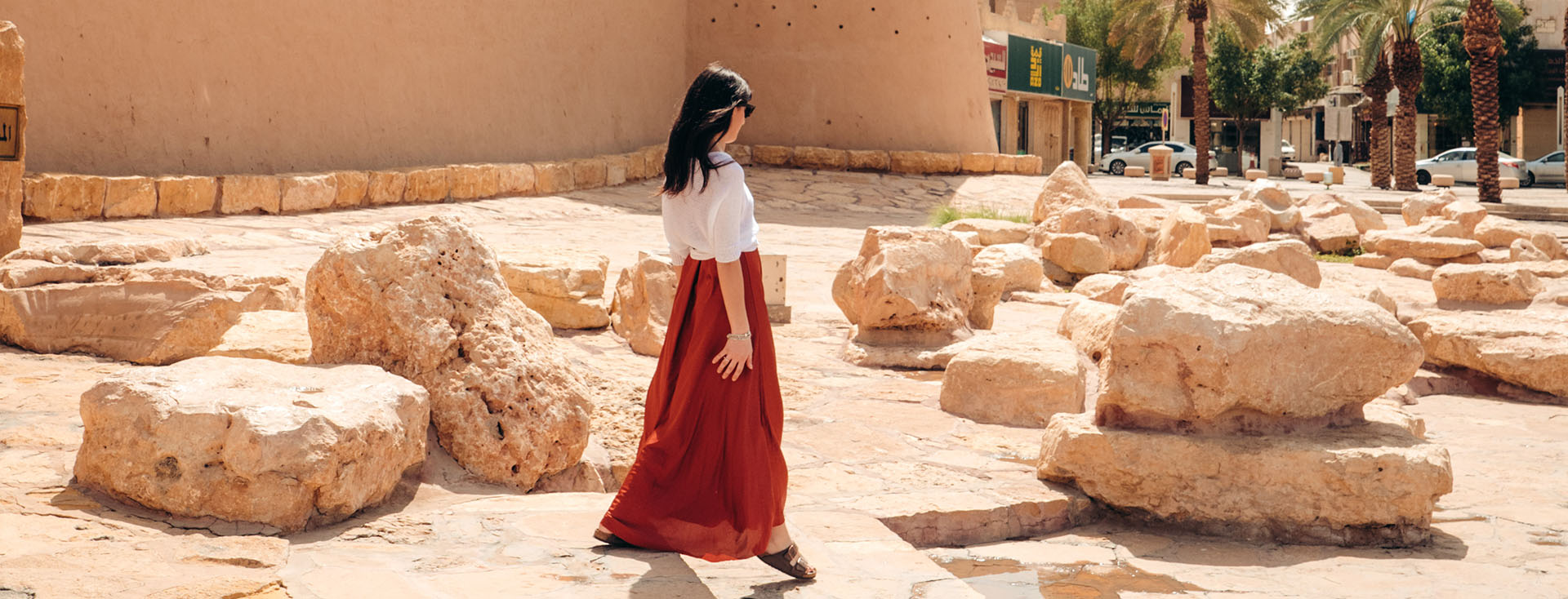
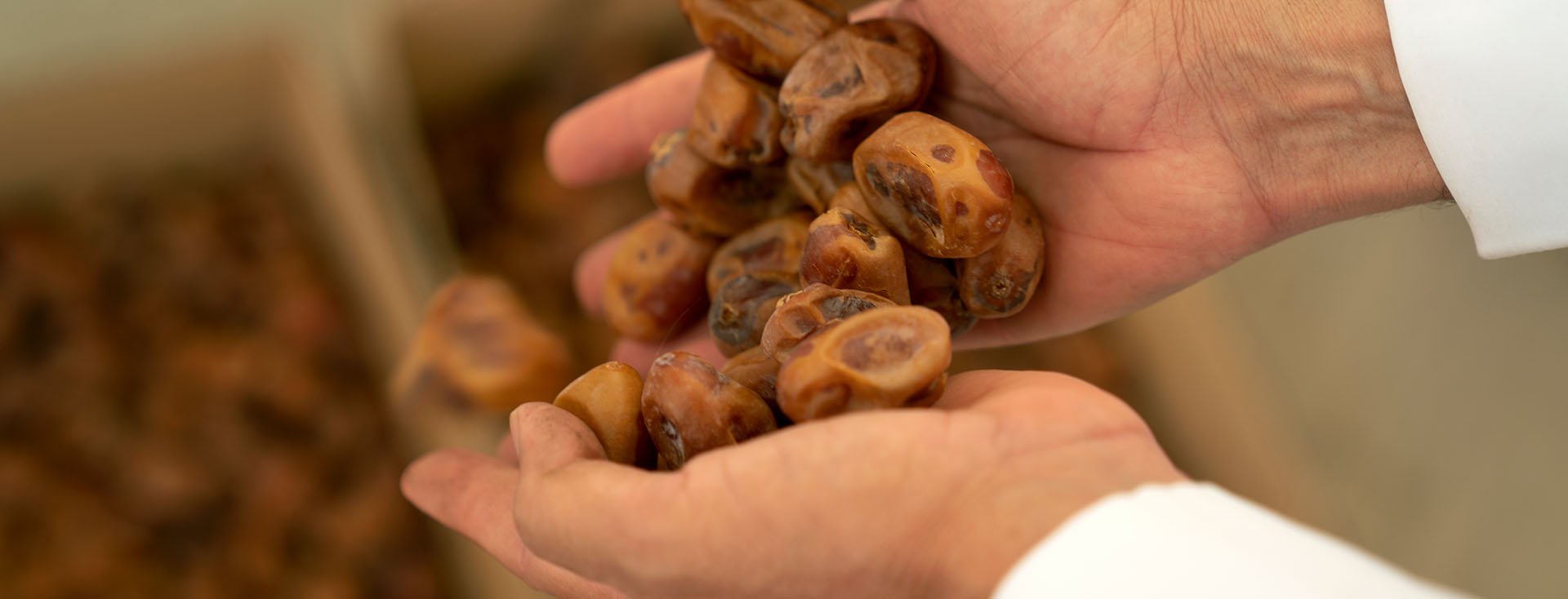
Work the covered lanes slowly — bisht cloaks, henna, hand-woven baskets, and the local Khalas, Shaishi, and Hilali date varieties by the kilogram.
Enter the cave corridors at the foot of the mountain — cool air pours out even in July — and climb to the lookout for the view over palm groves and farmland.
Go late afternoon. Walk the mud-brick walls of the first mosque built in eastern Arabia; stay for the open-field prayer call at sunset.
Ideal Hot / off-peak
BookSaudia is optimised for portrait mode on phones. Turn your device upright to continue.